As the new century’s dawn approached, the standard pharmaceutical production methods of batch manufacturing (BM)- a multi-step, lengthy process that involves large-scale equipment saw a rapid evolvement. Looking for ways to become more efficient, the pharmaceutical manufacturing landscape challenged the entrenched paradigm of batch manufacturing (BM)- and the concept of continuous manufacturing (CM) gained significant attention. As we delve into this transformation, an important question emerges: Are batch processes becoming obsolete?
This article examines the trajectory of CM, its implications for advanced pharmaceutical manufacturing, and the crucial role of high-shear mixing in enabling its success.
The Allure of Continuous Manufacturing:
For many decades, conventional BM has been the cornerstone of pharmaceutical production. Its segmented, iterative nature allowed for precise control over the individual stages of synthesis, blending, and formulation. However, this compartmentalization also introduces inefficiencies, including prolonged production cycles, increased material waste, and greater susceptibility to batch-to-batch variability.
CM offers numerous advantages, from improved efficiency and reduced production times to enhanced product quality and better resource utilization. Nonetheless, transitioning to CM is challenging and requires regulatory approval from the FDA. But operating 24/7, CM promises to shorten lead times, minimize waste, and facilitate real-time quality control.
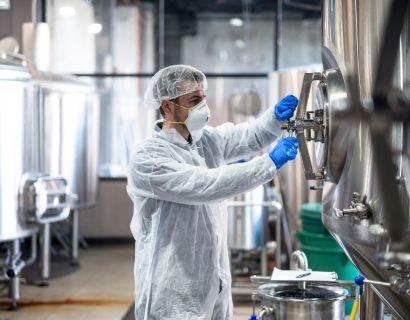
The Debate: Displacing Batch Processes
Despite the compelling advantages of CM, BM continues to hold relevance in specific scenarios. Continuous bioprocessing is still not widely adopted for commercial manufacturing, and among the myriad technological enablers of CM the roles of process systems engineering (PSE) and other key enabling tools such as high-shear mixers plays an indispensable role in both settings.
High-shear mixing is indispensable for essential pharmaceutical processes, including emulsification, particle size reduction, and solubility enhancement. Each of these processes are vital for optimizing bioavailability and product stability— key factors for producing high-quality end products, ensuring consistency and quality whether in BM or CM.
Anecdotally, the shift toward CM is akin to a seasoned chef experimenting and incorporating modern cooking techniques in his cooking style – while the allure of speed and efficiency is undeniable, the familiarity and reliability of previous methods cannot be so easily dismissed.
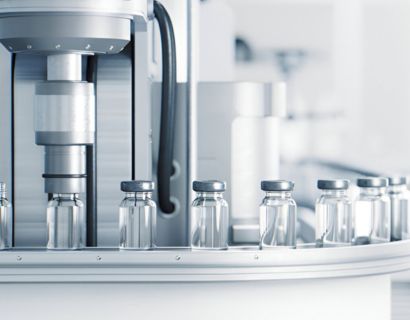
The Coexistence:
Rather than viewing CM and BM as mutually exclusive, a more practical approach may be to integrate both methods. A hybrid approach could leverage the strengths of each, using CM for certain aspects of production while maintaining BM where they continue to excel. For example, high-shear mixing could be a critical component in CM, ensuring the desired product consistency and quality at scale.
SK Pharmamachinery: Engineering the Future of Collaborative Pharmaceutical Manufacturing
As pharmaceutical, cosmetic, and food industries evolve toward next-generation manufacturing paradigms, the future is not about choosing one method over another, but rather finding a collaborative path that amalgamates the strengths of both continuous and batch processing.
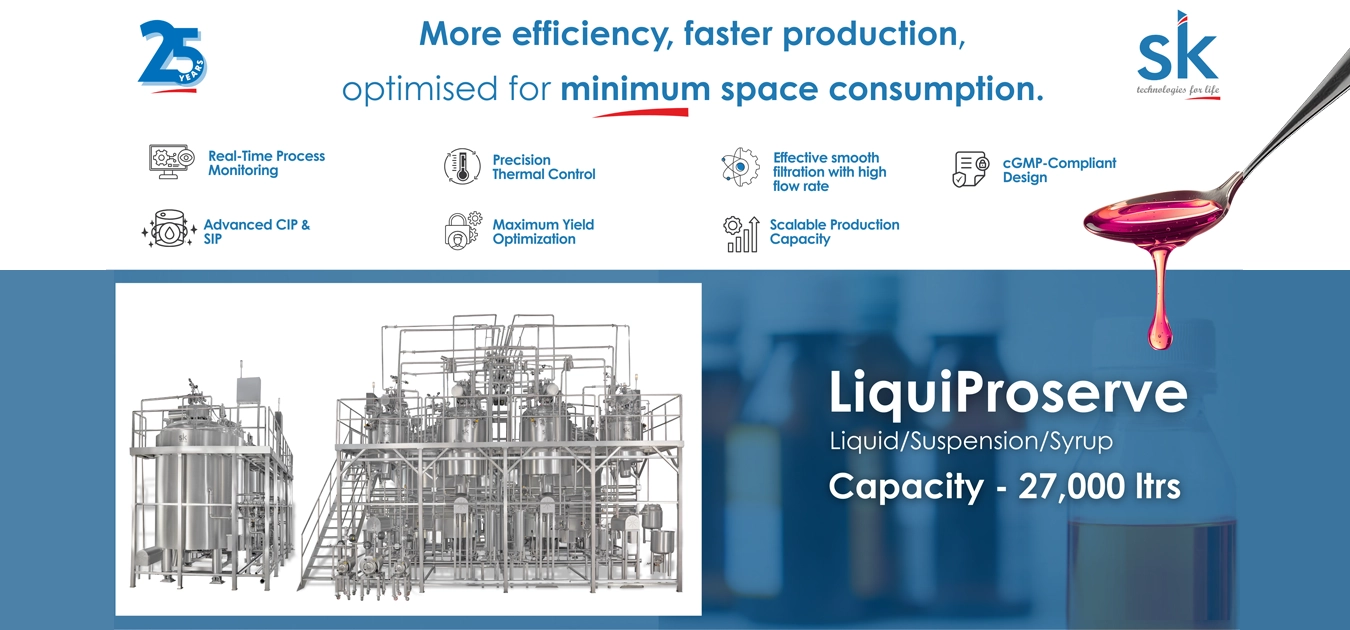
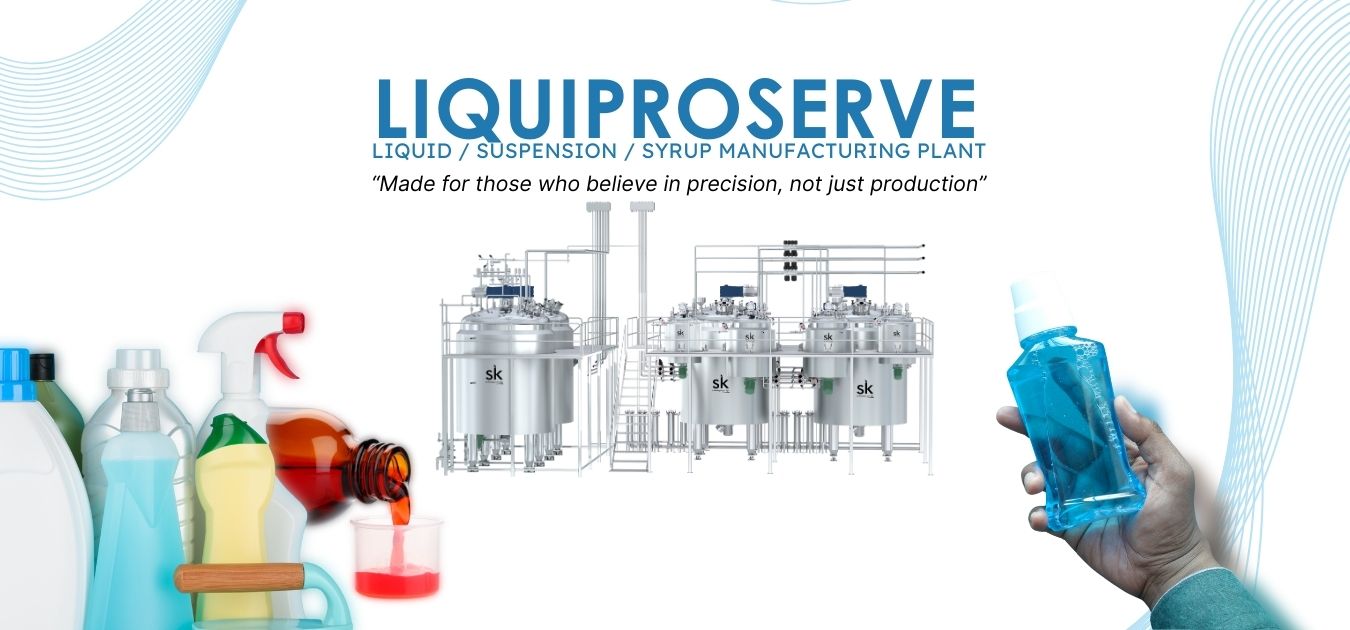
SK Pharmamachinery idolises on the fact that innovation does not always mean an outright replacement but rather the evolution and integration of new approaches. Specializing in the design and production of high-performance mixing skids, SK engineeres to optimize emulsification, particle refinement, and solubility enhancement. We empower manufacturers to harness the full potential of CM offering precision-engineered solutions to seamlessly transition toward more agile and scalable manufacturing processes, positioning them at the forefront of industry innovation.
As professionals in the field,, we must engage in this ongoing conversation – embracing change while respecting the foundational principles upon which our industry has been built. Contact SK Pharmamachinery today to learn how our engineered solutions can drive transformative advancements in your production capabilities.